Blackbeard Font Review: A Bold Choice for High-Impact Design
In the vast ecosystem of typography, certain typefaces become synonymous with specific eras, emotions, or industries. Blackbeard is one such font. It is a spectacular blackletter typeface that commands attention through its dense structure and historical resonance. For designers, marketers, and creators looking to inject authority, heritage, or raw energy into their projects, Blackbeard offers a distinct visual voice. This review evaluates the font’s practical applications, aesthetic strengths, and suitability for modern design workflows.
What Is Blackbeard?
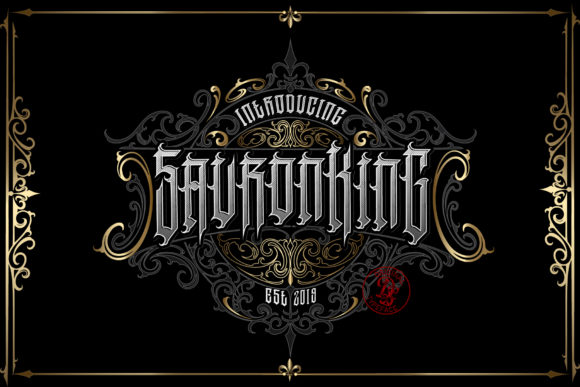
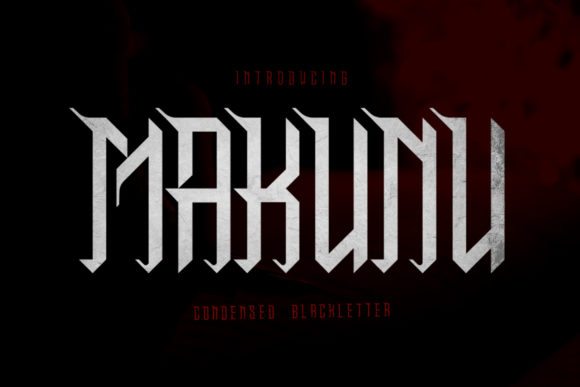
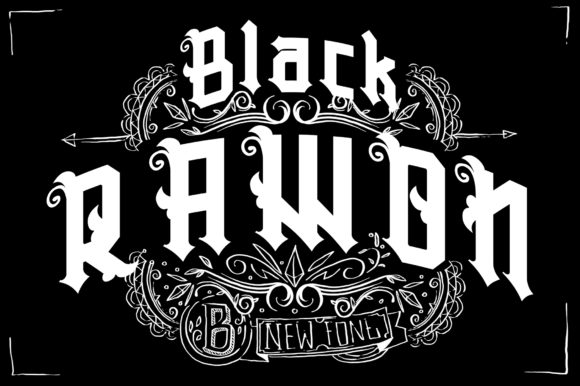
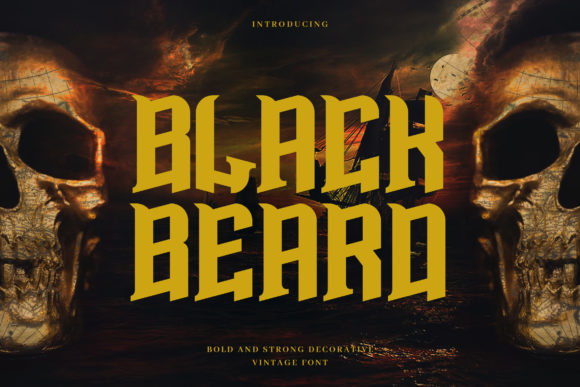
Blackbeard is not merely a decorative script; it is a robust interpretation of the blackletter tradition, also known as Gothic script. Historically, blackletter fonts were dominant in Western Europe from the 12th to the 17th centuries, used for everything from religious texts to official decrees. They are characterized by their intricate letterforms, heavy vertical stress, and tight spacing.
Modern iterations like Blackbeard adapt this historical weight for contemporary use. The font retains the dramatic flair of its predecessors but is engineered for readability and versatility across digital and print media. It fits a wide pool of designs, elevating them to the highest levels of visual impact. When you add this font to your favorite creative ideas, you will notice how it makes them come alive, transforming mundane layouts into striking statements.
Key Characteristics and Aesthetic Appeal
The primary strength of Blackbeard lies in its ability to convey immediate gravitas. Unlike sans-serif fonts that prioritize neutrality, or serif fonts that suggest tradition without aggression, blackletter types occupy a unique niche of intensity. Blackbeard achieves this through several key characteristics:
- Density and Texture: The letters are tightly packed, creating a rich visual texture that reads well at larger sizes. This density allows the font to act as both text and image.
- Historical Authenticity: The character shapes reference medieval calligraphy, providing an instant connection to history, craftsmanship, and authenticity.
- Bold Presence: As the name suggests, the font has a commanding presence. It does not whisper; it announces. This makes it ideal for headlines, logos, and brand identifiers where standing out is paramount.
However, this boldness comes with a trade-off. Blackbeard is less suited for long-form body copy. Its complexity can cause eye fatigue if used for paragraphs of text. Instead, it shines when used sparingly for titles, pull quotes, or branding elements.
Practical Applications in Modern Design
While blackletter fonts might seem outdated in a minimalist digital age, Blackbeard finds surprising relevance in several professional contexts. Its versatility allows it to bridge the gap between historical reverence and modern edginess.
Branding and Identity
For businesses seeking to project strength, heritage, or rebellion, Blackbeard is a powerful tool. Consider the following sectors:
- Hospitality and Dining: Breweries, gastropubs, and steakhouses often use blackletter to evoke traditional brewing methods or rustic charm. A logo for a craft beer brand using Blackbeard immediately signals quality and artisanal production.
- Entertainment and Media: Heavy metal bands, rock concerts, and fantasy-themed games frequently rely on gothic aesthetics. Blackbeard provides the necessary edge and drama without requiring custom illustration.
- Luxury and Fashion: While less common, some luxury brands use blackletter to suggest exclusivity and old-world elegance. When paired with ample white space and high-quality imagery, it can create a sophisticated, editorial look.
Digital Marketing and Social Media
In the crowded landscape of social media, stopping the scroll is essential. Blackbeard’s high contrast and intricate details draw the eye. Marketers can use it for event posters, limited-edition product launches, or special announcement banners. The font’s ability to elevate simple graphics means that even basic templates can look professionally designed when the right typography is applied.
Evaluating Quality and Usability
From a technical standpoint, a font must be more than just pretty; it must function reliably. Blackbeard generally performs well in terms of glyph coverage and rendering. However, users should consider the following factors when integrating it into their workflow:
Legibility and Readability
As noted, Blackbeard is not a body text font. Its value lies in its display capabilities. Designers should pair it with simpler, neutral typefaces for supporting text. A clean sans-serif or a classic humanist serif can balance the visual weight of Blackbeard, ensuring that the overall composition remains accessible. This pairing strategy enhances usability by maintaining hierarchy and guiding the reader’s eye effectively.
Variety and Weight Options
Check the specific family included in your license. Some versions of Blackbeard offer multiple weights, ranging from regular to extra-bold. Having access to different weights increases flexibility, allowing for subtle variations in emphasis without switching typefaces. If the font lacks lighter weights, designers may need to rely on scaling or color changes to create hierarchy, which can sometimes limit design options.
Compatibility
Ensure the font files (typically OTF or TTF) are compatible with your design software. Most modern tools handle blackletter fonts without issue, but complex ligatures or alternate characters may require manual adjustment. Always preview your design at various sizes to ensure that the intricate details do not blur or break apart on smaller screens.
Who Benefits Most from Blackbeard?
Not every designer needs a blackletter font in their toolkit, but for those who do, Blackbeard is a valuable asset. It is particularly beneficial for:
- Freelance Graphic Designers: Who need reliable, expressive fonts to meet diverse client briefs, especially in the food, beverage, and entertainment industries.
- Entrepreneurs and Small Business Owners: Who want to create professional-looking marketing materials without hiring a custom typographer. Using a pre-designed font like Blackbeard can save time and budget while still achieving a strong brand identity.
- Content Creators and Bloggers: Who focus on topics related to history, culture, gaming, or lifestyle. Incorporating Blackbeard into featured images or headers can enhance the thematic consistency of their content.
- Educators and Publishers: Who produce materials on historical subjects or literature. The font adds an authentic touch that complements the subject matter.
Potential Limitations and Considerations
While Blackbeard is a spectacular font, it is not a universal solution. Overuse can lead to visual clutter, making designs feel dated or difficult to read. It may also clash with modern, tech-forward brands that aim for simplicity and transparency. Additionally, because blackletter is a distinctive style, it carries strong cultural associations. Using it inappropriately—for example, in a corporate finance report—can send mixed messages about professionalism and tone.
Designers should also be mindful of licensing. Ensure that the font license permits your intended use, whether for personal projects, commercial products, or web embedding. Respecting intellectual property rights is crucial for maintaining ethical standards in creative work.
Final Thoughts on Long-Term Value
Typography is a long-term investment in brand communication. Fonts like Blackbeard offer enduring appeal because they tap into deep-rooted visual languages. They are not fleeting trends but established styles that continue to resonate with audiences. By understanding its strengths and limitations, you can leverage Blackbeard to create designs that are not only visually stunning but also strategically effective.
Whether you are designing a logo for a new brewery, crafting a poster for a local event, or updating the header of your blog, Blackbeard provides a versatile and powerful option. It elevates your creative ideas by adding depth, character, and a sense of occasion. In a world saturated with generic sans-serifs, choosing a font with such distinct personality can be the difference between being seen and being remembered. Evaluate your project’s needs, consider your audience, and allow Blackbeard to bring the necessary weight and wonder to your design.