Thundra: Elevating Design with Gothic Elegance
In a digital landscape saturated with sans-serif minimalism and geometric precision, finding a typeface that commands attention without sacrificing readability is a rare challenge. Thundra emerges as a compelling solution for designers and creators seeking to inject character into their work. It is not merely a font; it is a stylistic statement rooted in the rich history of blackletter calligraphy, yet refined for modern application. By understanding its unique aesthetic properties, users can transform ordinary layouts into striking visual experiences.
This article explores the practical applications of Thundra across various professional and creative domains. Whether you are a seasoned graphic designer, a small business owner crafting a brand identity, or a hobbyist designing event invitations, understanding how to leverage this gothic-styled font effectively is key to making your creations stand out.
What Makes Thundra Distinct?
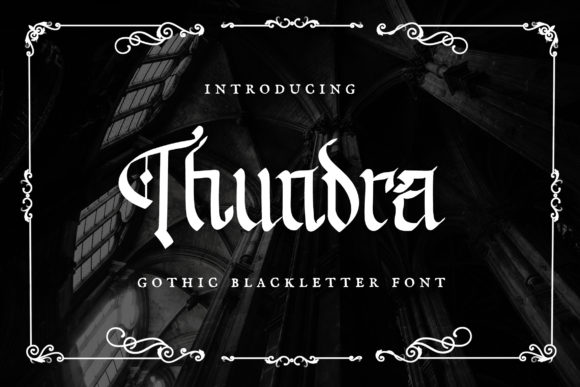
Thundra is characterized by its intricate letterforms, sharp angles, and dense vertical strokes typical of traditional blackletter scripts. However, unlike some historical typefaces that can be difficult to read at small sizes, Thundra strikes a balance between ornate detail and legibility. Its "simple and elegant" nature allows it to function as a display font—ideal for headlines, logos, and titles—while maintaining a level of sophistication that appeals to contemporary tastes.
The font’s ability to evoke a sense of tradition, authority, and mystery makes it versatile. It does not scream for attention through loud colors or exaggerated shapes; instead, it relies on the inherent weight and structure of its characters to create impact. This subtlety is crucial for professionals who want their designs to feel premium rather than cluttered.
Perspectives for Different Creators
Different users approach typography with varying priorities. For some, speed and ease of use are paramount. For others, the narrative power of a specific font style is the primary concern. Here is how different groups might evaluate and utilize Thundra.
For Beginners and Hobbyists
For those new to design, choosing a typeface can be daunting. The fear of creating an unreadable or messy layout is common. Thundra offers a safe entry point into decorative typography because its structure is consistent. When used correctly, it provides an instant upgrade to any project.
- Event Invitations: A beginner designing a wedding or gala invitation can use Thundra for the main title to convey formality and elegance without needing advanced kerning skills.
- Social Media Graphics: Hobbyists creating content for platforms like Instagram can pair Thundra with simple backgrounds to create eye-catching quotes or announcements.
The key for beginners is restraint. Using Thundra sparingly ensures that the design remains clean and focused, preventing the "over-designed" look that often plagues novice efforts.
For Professionals and Graphic Designers
Experienced designers view Thundra as a tool for hierarchy and emphasis. In a project dominated by neutral sans-serifs, introducing Thundra creates a powerful focal point. Professionals appreciate its versatility in branding, particularly for industries that value heritage, luxury, or edginess.
- Brand Identity: A craft brewery, a boutique hotel, or a high-end jewelry brand might use Thundra for its logo to signal quality and craftsmanship.
- Editorial Design: Magazines and newspapers may use it for pull quotes or section headers to add visual rhythm and break up dense text.
- Packaging: On product labels, Thundra can differentiate a brand from competitors who rely on generic modern fonts.
For these users, the priority is flexibility. They must ensure that Thundra is paired with complementary body fonts that do not compete for attention, allowing the blackletter elements to shine without causing visual fatigue.
For Entrepreneurs and Small Business Owners
Business owners often lack design expertise but need materials that look professional. Thundra can help elevate the perceived value of a brand. It suggests stability and timelessness, which are desirable traits for established businesses.
Consider a local bakery launching a new line of artisanal breads. Using Thundra on packaging or signage can communicate authenticity and handcrafted quality. Similarly, a law firm or a consultancy might use it subtly in marketing materials to project authority and trustworthiness. The investment in a high-quality font like Thundra pays off by reducing the need for expensive design services, as the typography itself carries much of the visual weight.
For Educators and Content Creators
Educators and bloggers often struggle to make their content engaging. Typography plays a significant role in reader retention and engagement. Thundra can be used to highlight key concepts, chapter titles, or important takeaways in educational materials.
For example, a history teacher creating a presentation on medieval Europe could use Thundra for slide titles to immerse students in the historical context. A blogger writing about gothic literature or architecture might find that Thundra enhances the thematic resonance of their posts. The goal here is to enhance the learning experience through visual storytelling.
Evaluating Practical Benefits
When deciding whether to incorporate Thundra into your workflow, consider several practical factors:
Quality and Legibility
Not all blackletter fonts are created equal. Thundra’s strength lies in its clarity. Unlike overly ornate fonts that become illegible at smaller sizes, Thundra maintains its shape and readability. This makes it suitable for a wider range of applications, from large banners to medium-sized headers.
Aesthetic Impact
The primary benefit of Thundra is its ability to change the mood of a design instantly. It adds weight, drama, and a touch of the dramatic. For creators looking to make their work memorable, this emotional resonance is invaluable. It helps designs stand out in crowded feeds or print markets.
Ease of Integration
Thundra is designed to be user-friendly. It integrates well with standard design software and web platforms. For freelancers and marketers, this means less time troubleshooting font issues and more time focusing on creativity. Its compatibility ensures that projects look consistent across different devices and mediums.
Identifying Your Fit
To determine if Thundra is right for your next project, ask yourself a few questions:
- Does my project require a strong visual identity? If yes, Thundra can provide the necessary punch.
- Am I targeting an audience that appreciates tradition or luxury? Blackletter fonts often resonate with audiences seeking heritage or premium quality.
- Can I use the font sparingly? Remember, Thundra is best used for headlines and accents, not long paragraphs of text.
If your answer to these questions is affirmative, Thundra is likely a valuable addition to your toolkit. It offers a blend of simplicity and elegance that can elevate even the most basic designs.
Conclusion
Thundra represents a bridge between historical artistry and modern design needs. Its gothic styling offers a unique opportunity to distinguish your work in a competitive field. By understanding its strengths and applying it thoughtfully, you can create designs that are not only visually appealing but also effective in communicating your message. Whether you are enhancing a personal blog, rebranding a business, or simply experimenting with creative expression, adding Thundra to your creations will undoubtedly help them stand out. Embrace its elegance, respect its weight, and let it bring a touch of timeless sophistication to your projects.